
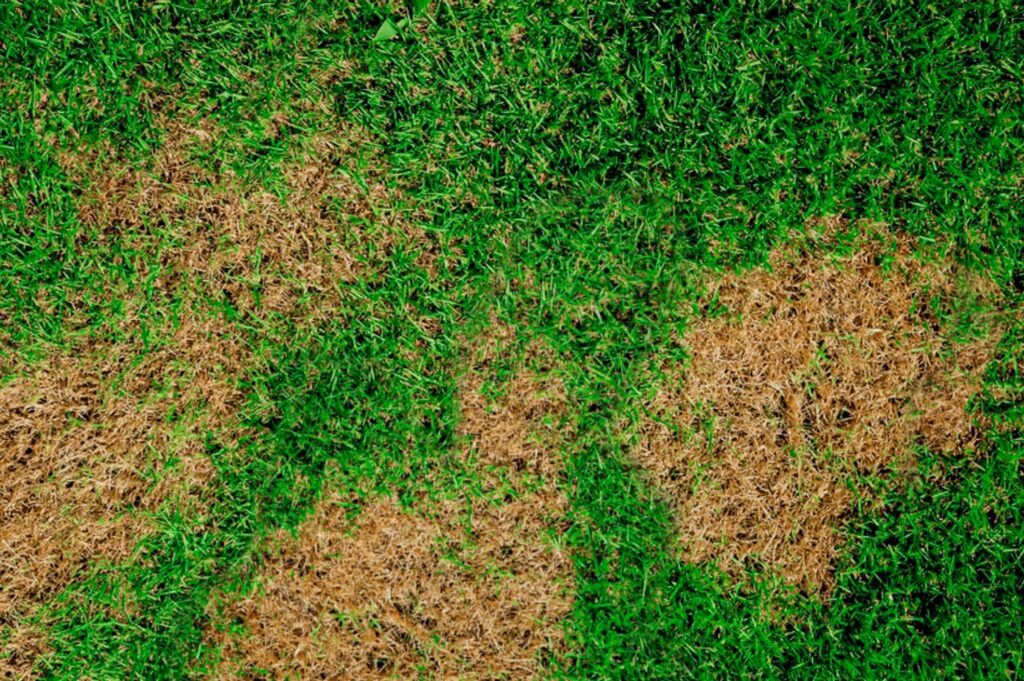
If you’ve noticed circular patches of brown, matted-down grass spreading across your lawn here in Panama City, there’s a good chance you’re dealing with brown patch — one of the most common and damaging lawn fungal diseases in Northwest Florida. It’s frustrating to watch a healthy lawn deteriorate seemingly overnight, but the good news is that brown patch is treatable and, with the right care, preventable.
Here’s everything you need to know.
What Is Brown Patch?
Brown patch is a fungal disease caused by Rhizoctonia solani. It’s especially prevalent in warm, humid coastal climates — which makes Panama City and the surrounding Bay County area prime territory. The disease gets its name from the circular or irregular brown patches it creates in turf, which can range from a few inches to several feet in diameter. Up close, affected grass blades often show tan lesions with a darker brown border.
In our area, St. Augustine grass is the most commonly affected lawn type, though Zoysia can be susceptible as well. Unlike some regions where brown patch peaks in summer, here in the Florida Panhandle it tends to flare up in late fall through winter — when nighttime temperatures drop into the 60s while daytime humidity stays high. That cool-warm fluctuation is exactly what this fungus thrives on.
What Causes Brown Patch?
Several factors create the right environment for brown patch to develop:
High Humidity and Wet Conditions Panama City’s Gulf Coast climate — with its warm temperatures, frequent rainfall, and heavy morning dew — creates near-perfect conditions for fungal growth. Poor drainage makes this worse by keeping moisture sitting on the turf longer than it should.
Overwatering or Evening Irrigation Watering at night or in the evening leaves grass blades wet for hours, giving the fungus exactly the moisture it needs to spread. Morning irrigation gives the lawn time to dry out during the day, which significantly reduces risk.
Excessive Nitrogen Fertilization Applying too much nitrogen — especially in late fall — pushes lush, soft leaf growth that is highly susceptible to fungal infection. This is one of the most common triggers homeowners accidentally create themselves.
Poor Air Circulation Thick, overgrown turf or areas shaded by dense tree cover tend to stay moist longer. Thinning out overgrowth and maintaining proper mowing height improves airflow through the canopy.
Thatch Buildup A thick thatch layer traps moisture at the soil surface and provides a harbor for fungal spores to overwinter and re-emerge the following season.
How to Identify Brown Patch vs. Other Lawn Problems
Brown patch is sometimes confused with other issues like chinch bug damage, drought stress, or take-all root rot. Here’s how to tell the difference:
- Brown patch creates roughly circular patches with a yellowish or dark border ring around the perimeter. The blades inside the patch pull out easily and show tan lesions.
- Chinch bug damage tends to appear in sunny, dry spots and spreads outward from those areas — blades will be dried out and won’t show the fungal lesion pattern.
- Drought stress is more uniform across the lawn and concentrated in areas with poor irrigation coverage.
- Take-all root rot affects the roots, so blades pull out with almost no resistance and the root system looks black or rotted.
If you’re not sure what you’re dealing with, it’s worth having a lawn professional take a look before you treat — using the wrong product wastes time and money.
How to Treat Brown Patch
Fungicide Application For active brown patch, a fungicide labeled for Rhizoctonia is the most effective treatment. Products containing azoxystrobin, propiconazole, or thiophanate-methyl are commonly used. Follow label directions carefully and apply at the right time — treatment is most effective when applied as soon as you notice symptoms, not after the disease has fully progressed.
Adjust Your Watering Schedule Switch to early morning irrigation immediately. This alone won’t cure an active infection, but it stops contributing to the spread.
Hold Off on Nitrogen Do not fertilize with nitrogen while brown patch is active. Feeding the fungus more lush growth to attack will make things worse.
Improve Drainage and Airflow If certain areas of your yard stay wet after rain or irrigation, addressing the drainage issue is key to long-term prevention. Aeration can also help break up compacted soil and improve water movement.
Preventing Brown Patch From Coming Back
Once you’ve dealt with an active outbreak, the goal is to make sure it doesn’t return next season. Key prevention habits for Panama City homeowners:
- Fertilize on the right schedule — avoid high-nitrogen applications in late fall when brown patch season is approaching
- Mow St. Augustine at 3.5–4 inches — this height helps shade the soil and reduce moisture evaporation while keeping the canopy open enough for airflow
- Dethatch annually if your thatch layer exceeds half an inch
- Aerate compacted areas to improve drainage and reduce standing moisture
- Water in the morning, not in the evening
Frequently Asked Questions
Is brown patch common in Panama City, FL? Yes — it’s one of the most frequent lawn disease calls we get in the fall and winter months. The combination of Gulf Coast humidity, warm soil, and cooler overnight temps creates ideal conditions for Rhizoctonia to spread through St. Augustine lawns.
Will my lawn recover from brown patch on its own? Affected areas typically don’t recover on their own without treatment. While St. Augustine can fill back in from the edges over time, untreated brown patch usually continues spreading. Fungicide application combined with correcting the conditions that caused it gives the best outcome.
How quickly does brown patch spread? It can spread rapidly — a small patch can double in size within a few days under ideal conditions. Acting early makes treatment much more manageable.
Can I prevent brown patch without fungicides? Cultural practices (proper mowing, morning watering, avoiding excess nitrogen) significantly reduce the risk of brown patch developing. However, once active, fungicide is usually needed to stop it.
Does Lawnmasters PC treat brown patch and lawn fungus? Yes. Our lawn care team serves homeowners throughout Panama City and Bay County. We can diagnose the issue, recommend the right treatment, and help you put a prevention plan in place. Contact us to schedule a visit.
Brown Patch in Your Panama City Lawn? We Can Help.
Dealing with brown patch — or not sure what’s causing those brown spots? Lawnmasters PC serves homeowners throughout Panama City, FL with expert lawn care, disease diagnosis, and treatment. Don’t let a fungal outbreak take over your yard.
📍 2638 N East Ave, Panama City, FL 32405 📞 850-640-3925 🌐 Schedule a Lawn Inspection