
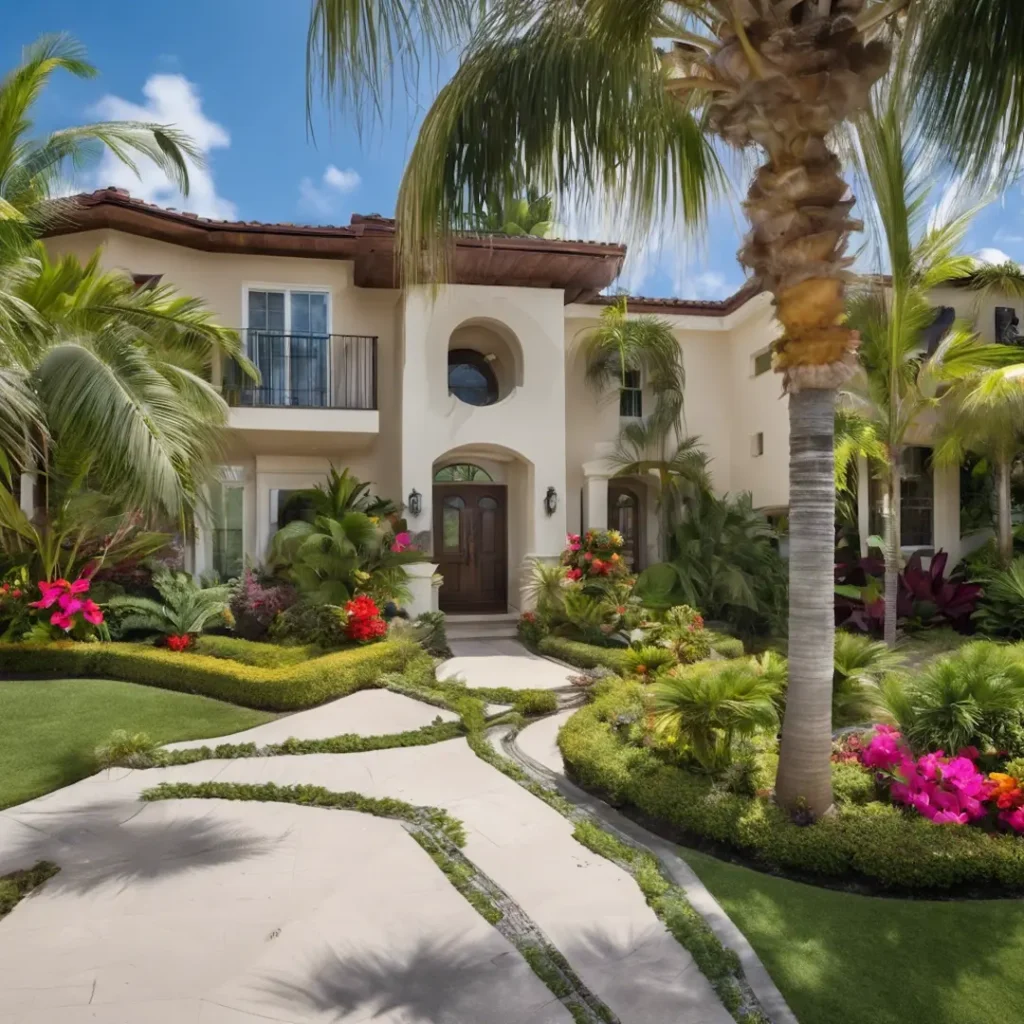
Lawn care advice written for homeowners in the Midwest or Northeast doesn’t translate well to life on the Gulf Coast. Panama City’s climate is its own thing — hot, humid summers, mild winters that rarely freeze, a distinct hurricane and storm season, and a pest and fungal pressure that stays active most of the year. If you’re caring for a St. Augustine, Zoysia, or Bahia lawn here in Bay County, your seasonal calendar looks very different from what most national guides describe.
Here’s what your lawn actually needs, season by season, in Panama City.
Spring Lawn Care in Panama City (March – May)
Spring is when your lawn wakes back up and sets the tone for the entire growing season. Warm-season grasses like St. Augustine begin actively growing again as soil temperatures climb above 65°F — which in Panama City typically happens in March.
What to do in spring:
Apply a pre-emergent herbicide. Spring is your best window to get ahead of weeds like crabgrass and dollar weed before they germinate. Timing matters — apply too late and the weed seeds have already sprouted.
Fertilize once the lawn is actively growing. Wait until you’ve mowed at least twice before applying your first round of fertilizer. Fertilizing too early while the grass is still coming out of its winter slowdown can push weak, disease-prone growth.
Inspect and run your irrigation system. After winter, check every zone for broken heads, dry spots, or coverage gaps before the heat sets in. This is also a good time to adjust your schedule if you haven’t already — deep, infrequent watering beats daily shallow cycles.
Begin mowing on schedule. Once growth picks up, maintain St. Augustine at 3.5–4 inches. Don’t scalp it trying to clean up winter growth — cutting more than a third of the blade at once stresses the turf.
Check for pest activity. Chinch bugs become active in spring and are especially common in St. Augustine lawns. Look for yellowing patches in sunny, dry areas of the lawn.
Summer Lawn Care in Panama City (June – August)
Summer is your lawn’s peak growing season and its most demanding time of year. High heat, frequent afternoon thunderstorms, and intense pest pressure all converge from June through August.
What to do in summer:
Mow consistently. With warm-season grasses actively growing, you may need to mow weekly or more. Keep your blade sharp — dull blades tear the grass rather than cut it, leaving it more vulnerable to disease.
Water deeply, not frequently. Panama City gets regular summer rain, so monitor your irrigation and skip cycles when you’ve had rainfall. When you do water, water deeply (about an inch) to encourage deep root growth rather than shallow roots that dry out quickly between rains.
Watch for armyworms. Fall armyworms arrive in late summer and can devastate a lawn in days — they’re one of the most aggressive pests in the Florida Panhandle. If you see birds suddenly feeding heavily in your yard or notice large patches of turf disappearing fast, inspect closely for caterpillars and treat immediately.
Stay on top of weeds. Spot-treat any summer weeds with a post-emergent herbicide labeled for your grass type. Be careful with St. Augustine — not all herbicides are safe on it.
Consider a mid-summer fertilization. A light application in June or July can keep growth strong through the peak season. Avoid heavy nitrogen applications in late summer, as this creates conditions favorable for brown patch fungus heading into fall.
Fall Lawn Care in Panama City (September – November)
Fall is one of the most important — and most misunderstood — seasons for Panama City lawns. Unlike northern climates where fall means dormancy prep, our lawns stay semi-active well into November. It’s also when brown patch fungus season begins in earnest.
What to do in fall:
Pull back on nitrogen. Stop applying high-nitrogen fertilizers once nighttime temperatures start dropping into the 60s. Excess nitrogen in fall pushes soft, lush growth that is highly susceptible to brown patch.
Watch for brown patch. This fungal disease thrives in the temperature-humidity combination we get in October through December. Circular brown patches with a yellow or dark border ring are the telltale sign. Treat with a fungicide labeled for Rhizoctonia as soon as you notice symptoms. (For a deeper dive, see our full guide on brown patch lawn disease in Panama City.)
Adjust your irrigation schedule. As temperatures cool and growth slows, reduce watering frequency. Overwatering in fall is one of the main contributors to fungal outbreaks.
Address bare or thin spots. Fall is a good time to repair damaged areas of your lawn — but note that St. Augustine cannot be grown from seed. Bare patches need to be filled with sod pieces or plugs, not overseeded like northern grass types.
Service your lawn equipment. Before the end of the season, sharpen mower blades, change the oil, and make sure everything is in shape for a strong start next spring.
Winter Lawn Care in Panama City (December – February)
What to do in winter:
Panama City winters are mild by most standards — average lows in the mid-40s, with only occasional frost and extremely rare freezing temperatures. Your warm-season lawn won’t go fully dormant the way it would in a colder climate, but it does slow down significantly.
Mow less frequently, but don’t stop entirely. St. Augustine and Zoysia grow slowly in cooler weather, but on warm weeks you may still need to run the mower. Keep the height consistent — don’t let it get overgrown, then scalp it.
Stay alert for brown patch and other fungal issues. Brown patch remains active on warm, humid winter days in Northwest Florida. It’s common to see flare-ups after a warm stretch in January or February. Don’t assume the season is over just because it’s December.
Protect from frost on rare cold nights. On the occasional nights when temperatures dip below freezing, avoid walking on frost-covered St. Augustine — the frozen blades are brittle and foot traffic can cause damage. But these nights are rare in Panama City, not a weekly winter concern.
Plan ahead for spring. Winter is a great time to assess your lawn, think about any landscaping changes, schedule your spring aeration, and make sure your irrigation is winter-ready. A little planning in January means a smoother transition when the lawn wakes back up in March.
Frequently Asked Questions (FAQs)
Does St. Augustine grass go dormant in Panama City winters? Not fully. It slows down considerably but stays semi-active during mild stretches. Unlike northern cool-season grasses, it won’t turn fully brown in winter under normal Panama City conditions — if it does, that’s typically a sign of a fungal issue or pest damage rather than dormancy.
When should I fertilize my lawn in Panama City? For St. Augustine and Zoysia, the general schedule is: first application in spring once the lawn is actively growing (late March or April), a second in early-to-mid summer, and a light application in early fall if needed. Stop nitrogen fertilization by September to reduce brown patch risk.
Do I need to worry about freezing my lawn in Panama City? Rarely. Panama City averages only a handful of nights per year at or near freezing. When those nights do happen, avoid foot traffic on frost-covered turf, but it’s not the same concern as homeowners further north face.
Can I overseed St. Augustine in the fall like northern grasses? No — St. Augustine grass cannot be grown from seed. To fill bare spots, you’ll need sod plugs or sod pieces, not seed. Fall is an acceptable time to do this if the soil is still warm enough for the plugs to establish before winter.
What lawn services does Lawnmasters PC offer year-round in Panama City? We offer mowing and trimming, fertilization programs, pest and disease treatment, irrigation management, aeration, shrub and bed care, and more — tailored to the specific needs of Panama City lawns through every season. Contact us to get on a program that works for your yard.
Keep Your Panama City Lawn Looking Great All Year
Consistent, locally-informed lawn care is what separates a struggling yard from one that stays healthy and green through Gulf Coast summers, hurricane season, and mild winters alike. At Lawnmasters PC, we know Bay County lawns — and we’re here to help with everything from routine maintenance to seasonal treatments.
📍 2638 N East Ave, Panama City, FL 32405 📞 850-640-3925 🌐 Get a Free Estimate